
Guest Article
The New Logic of Pandemic Planning
Pandemics repeatedly prompt changes to health systems. Today, however, preventing new outbreaks—or even eliminating the risk of them altogether—is no longer the primary focus.
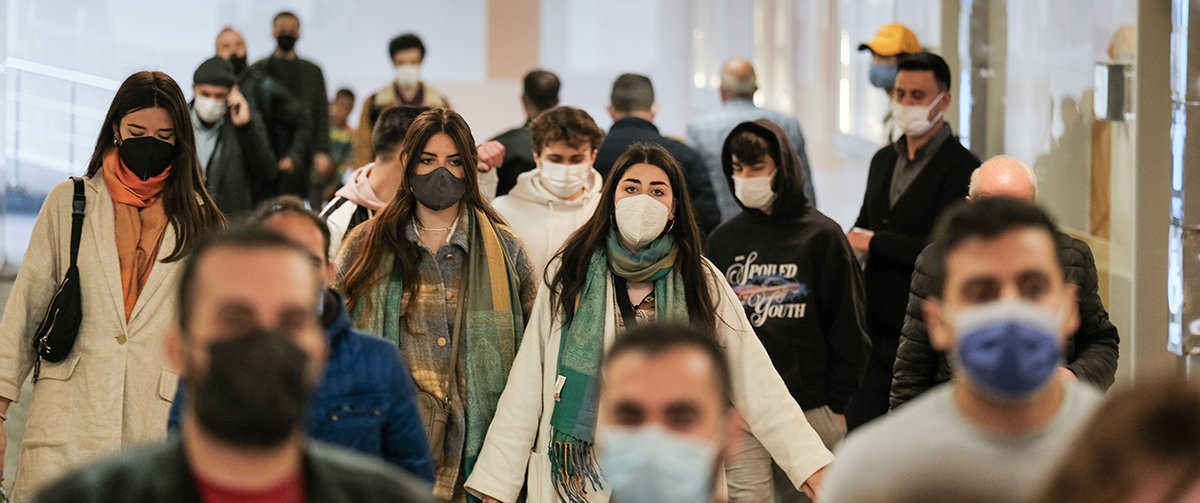
Pandemics shape societies and pose new challenges for health care systems. The shift from prevention to preparedness reflects how approaches to managing them have evolved.
The COVID-19 pandemic confirmed an old lesson: the world is less prepared for major public health crises than it likes to believe. Following COVID-19, international expert bodies such as the World Health Organization’s (WHO) Global Preparedness Monitoring Board described the state of preparedness as “a fragile state of preparedness.” Despite all the progress made, too little had been done — and, above all, too late. This assessment is not merely a snapshot of the present but part of a longer historical development.
A look at history shows that pandemics have repeatedly prompted reforms. Major outbreaks have led to adjustments in health systems, stronger international cooperation, and the introduction of new regulations. The SARS outbreak in the early 2000s, for example, led to a revision of the International Health Regulations, giving the WHO greater scope for action. Particularly striking, however, is a fundamental shift in how pandemics are understood and managed. For a long time, the prevailing assumption was that targeted interventions could prevent infectious diseases. That view has gradually changed. Today, the emphasis is less on prevention than on preparedness.
In the mid-20th century, optimism was still running high. Vaccination campaigns, antibiotics, and improved hygiene standards seemed to be bringing many infectious diseases under control. Diseases such as polio, diphtheria, and tuberculosis were becoming less frightening. The successful eradication of smallpox in the 1980s reinforced this belief in progress. These achievements fostered a sense that society was safe and that potential future risks could be addressed through preventive measures. In this context, prevention meant ensuring that diseases did not emerge in the first place.
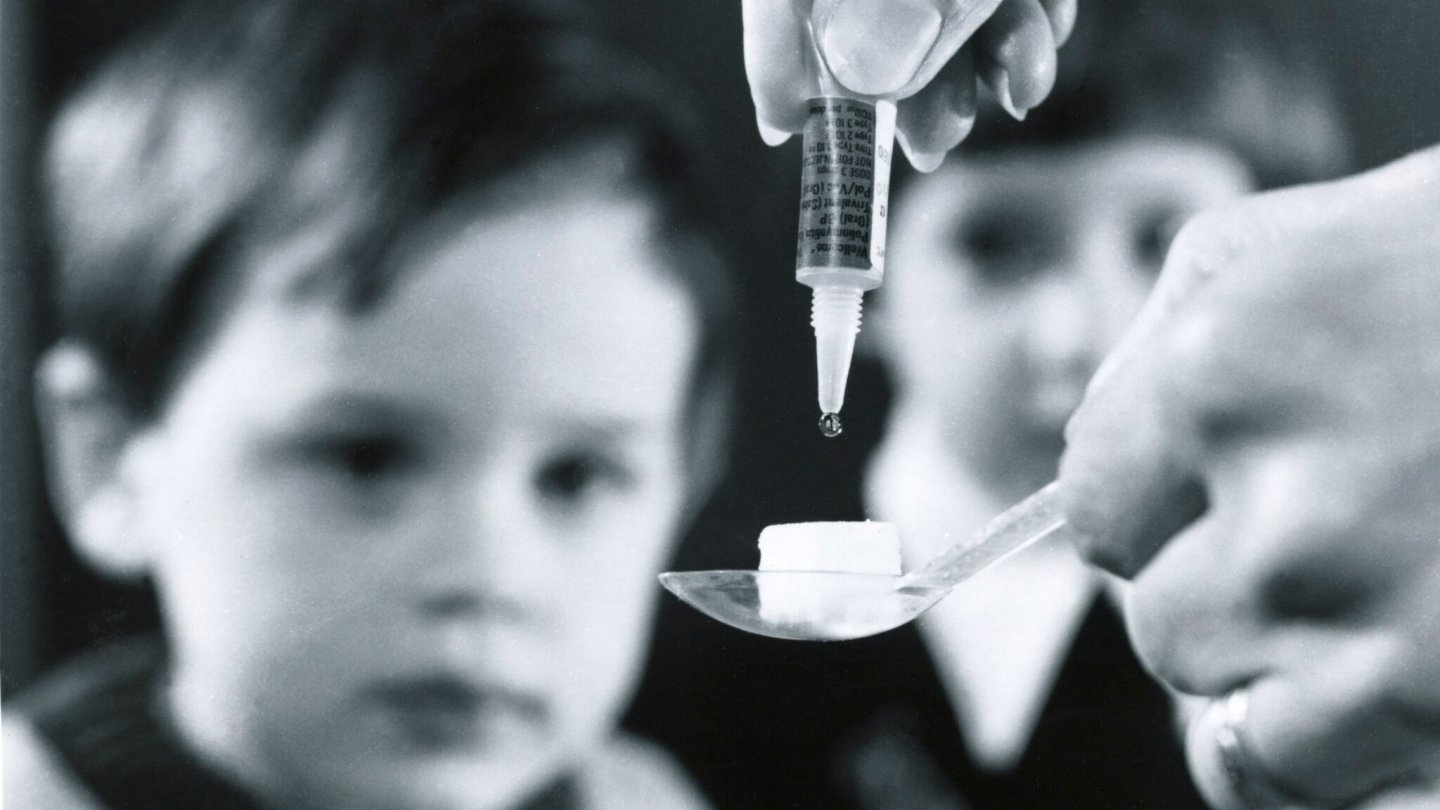
Oral vaccination raised hopes that infectious diseases could be effectively controlled through immunization.
Yet this optimism proved misplaced. By the 1980s, the HIV/AIDS pandemic had made it clear that modern medicine could not control every risk. From the 1990s onward, other infectious diseases, including SARS and avian influenza, further undermined this confidence. Epidemics and pandemics came to be seen as unavoidable threats accompanying economic prosperity, global trade, and tourism. The expansion of global economic exchange has created increasingly close connections through which infectious diseases inevitably spread alongside supply chains and international travel.
From Prevention to Preparedness
Against this backdrop, a new guiding concept gained traction in the 1990s and, particularly, the 2000s: preparedness. Unlike traditional prevention, this approach assumes that pandemics cannot be prevented entirely. Instead, the goal is to limit their impact. The task is to organize systems so that they can continue to function even in times of crisis.
Political institutions explicitly articulated this shift in thinking. In 2007, for example, the European Centre for Disease Prevention and Control stated that pandemics were inevitable. They could not be prevented, but their consequences could be mitigated. The goal was to maintain the functioning of society — even under crisis conditions.
Whereas prevention aims to stop an outbreak from occurring — for example, through vaccination programs or quarantine measures — preparedness takes a broader approach and begins well before a crisis hits. It includes emergency plans, stockpiles of medical supplies, resilient supply chains, international agreements, and communication strategies. Regular drills and scenario-based exercises also play an important role.
This shift has also changed how governments understand their responsibilities. Whereas the protection of individual lives was once the primary emphasis, the stability of essential systems has taken on additional importance: health care, supply networks, and infrastructure. Historians describe this as a shift from “population security” to “vital systems security.”
This paradigm shift is also connected to broader changes in how we imagine the future. Traditional prevention was based on the assumption that the future could be predicted and planned for to a considerable extent. Risks were to be identified and eliminated before they materialized. Preparedness, by contrast, accepts uncertainty as a fundamental condition. The future is understood to be inherently unpredictable. Planning therefore no longer means controlling how events unfold, but rather remaining flexible enough to respond to the unexpected.
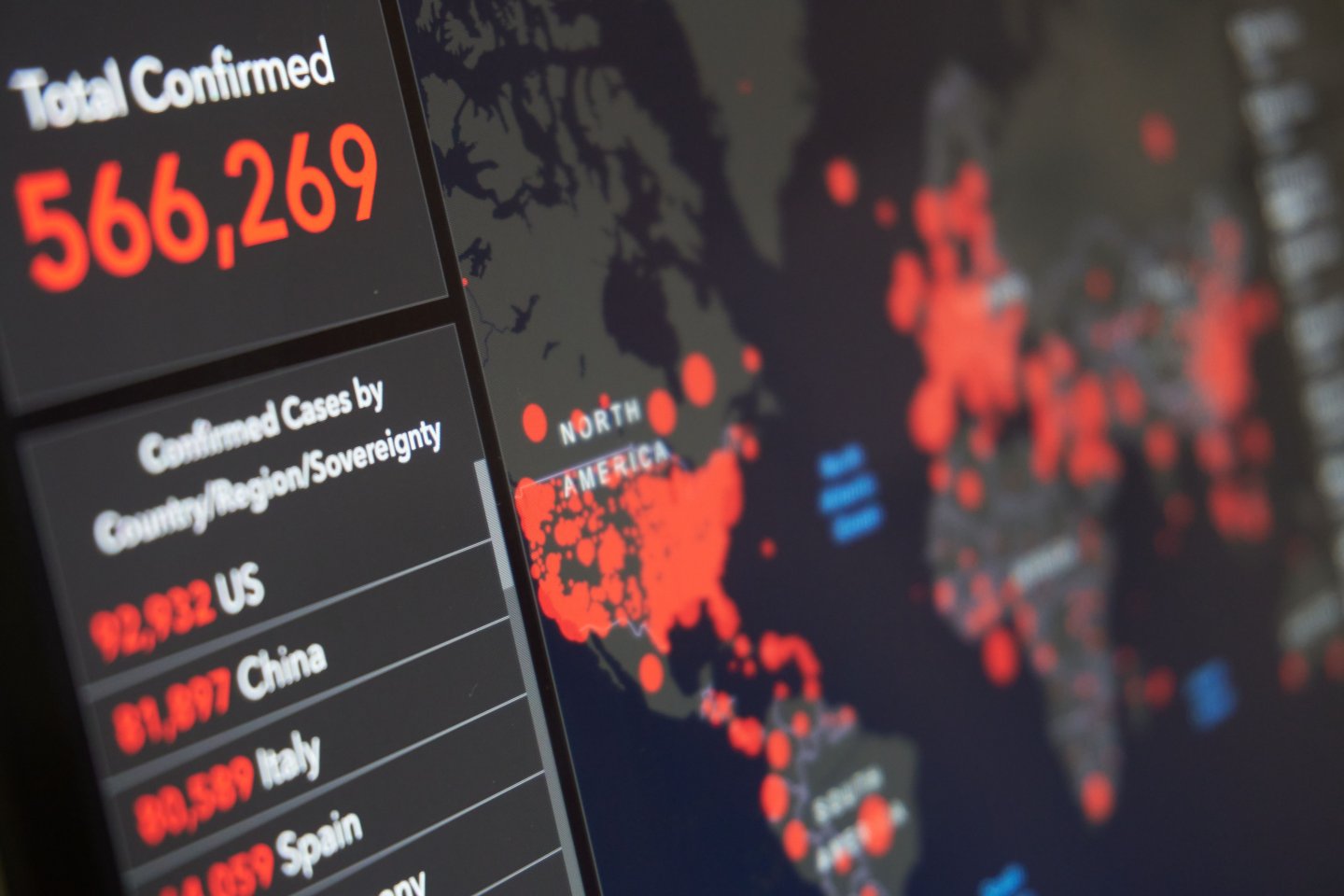
Global trade and international travel enable infectious diseases to spread worldwide. Pandemic planning therefore increasingly relies on international cooperation and strategic preparedness.
This new approach to planning is less focused on achieving long-term security than on maintaining the ability to act in the short term. Preparedness thus becomes an ongoing process: there is no such thing as being “prepared enough”— only being “better prepared.”
Challenges in Pandemic Planning
The COVID-19 pandemic, along with the Ebola and hantavirus outbreaks this year, has nevertheless shown how difficult this approach can be to implement in practice. Pandemic plans existed in many places, but time and again they have proved incomplete or have not been consistently implemented. At the same time, it has become clear that preparedness is not solely a medical responsibility. It affects society as a whole, including political decision-making, economic structures, and public acceptance. Experts therefore emphasize that future pandemics cannot be managed through medical interventions alone. Much also depends on whether people accept restrictions on everyday life, whether they trust public institutions, and whether international cooperation works effectively. The debate over an international pandemic treaty following COVID-19 illustrates how difficult the latter can be to achieve. Although such a treaty could help countries respond more quickly and in a more coordinated manner, progress has so far been hindered by political differences, geopolitical tensions, and a degree of “pandemic fatigue.” Pandemic policy is always also a matter of power politics.
What does this mean for the future? History makes one thing clear: neither prevention nor preparedness offers a complete solution. Prevention remains important in many areas, including chronic conditions such as diabetes and cardiovascular disease. In the field of infectious diseases, however, the prevailing view is that not all risks can be controlled. Prevention and preparedness are not opposites; rather, they can be understood as different responses to the challenges of global health.
The history of pandemic response is therefore also a history of changing expectations about the future. Pandemics are no longer seen as exceptional events but as recurring threats. The question is no longer how we can prevent the next pandemic, but how we want to prepare for it as a society.
Progress Made and Gaps Remaining
In Germany, important elements of preparedness have been established in the wake of the COVID-19 pandemic. The Pact for Civil Protection calls for €10 billion in investment by 2029. Warning systems such as NINA and Cell Broadcast have been expanded, while the Federal Agency for Technical Relief and disaster preparedness efforts are receiving significantly more resources. At the same time, important gaps remain. These include the lack of a national reserve of protective equipment, the need for better health care data, and the need for stronger coordination among the federal government, Germany’s states, and vulnerable populations. Germany’s approach to preparedness therefore currently lies somewhere between visible progress and structural reforms that remain incomplete but are urgently needed.
About the Author

Dr. Pierre Pfütsch is a research associate at the Institute for the History of Medicine at Bosch Health Campus. He studied history and German studies and earned his doctorate from the University of Mannheim in 2017. His research focuses on contemporary medical history, the history of nursing, and the history of the medical professions.